© Thomas Gade / May 2015 (updated 2026)
C.A.R.E. Diesel from Renewable Raw Materials
Diesel fuel available at public filling stations consists mainly of petroleum with a blend of conventional biodiesel. This conventional biodiesel is produced from fatty acids and methanol and is known as FAME (Fatty Acid Methyl Ester). It is made from vegetable and animal fats, for example from rapeseed. FAME has similar properties to fossil diesel and can be blended with it. However, FAME reacts more strongly with oxygen, ages faster, tends to resinify and promotes the growth of microorganisms – the cause of the dreaded diesel pest.Diesel from Renewable Raw Materials
Environmental policy in many countries requires the blending of biodiesel to reduce the consumption of petroleum products and lower CO₂ emissions from burning fossil fuels. Given the growing global energy demand, the actual success of these measures remains controversial. Nevertheless, limited oil reserves make the development of alternatives essential.
Alternative to FAME
FAME can be regarded as an intermediate step, but it is not an optimal fuel. It is possible, however, to produce a diesel-like fuel from vegetable and animal fats that has significantly better properties than FAME. The Finnish company Neste Oyj developed the NExBTL technology (“Next Generation Biomass-to-Liquid”) for this purpose. NExBTL diesel is produced from various raw materials such as rapeseed oil, animal fats, palm oil and other renewable and waste materials.
According to Neste, NExBTL diesel is sulfur-free, aromatic-free and consists of pure hydrocarbons. Unlike FAME, it does not resinify, ages much more slowly and does not promote the growth of microorganisms. In Austria, the TOOL-FUEL GmbH markets this fuel under the brand name:
C.A.R.E.™ Diesel
According to the manufacturer, C.A.R.E. Diesel exceeds the quality requirements for diesel fuels. It has a higher calorific value than conventional biodiesel and fossil diesel, a very high cetane number and excellent ignition performance. Its aging and storage stability is significantly better than that of conventional diesel. The fuel can be used even at temperatures below –35 °C.Cleaner Diesel
While normal diesel is classified as water hazard class 2 (WGK II), C.A.R.E. Diesel is considered much more environmentally friendly and only slightly water-polluting (WGK I). It is crystal clear, storage-stable, burns with very low soot formation and has an almost neutral smell. Many users particularly appreciate the absence of the typical diesel odor. The exhaust gases are cleaner, so the white hulls of boats remain cleaner around the exhaust outlet.
Left: NExBTL diesel burns with low soot formation. Right: Conventional diesel produces significantly more soot.
Photo: Neste Oil
The fuel has a higher cetane number than ordinary diesel and is therefore more readily ignitable. The unpleasant “diesel knock” occurs much less frequently with C.A.R.E. Diesel.
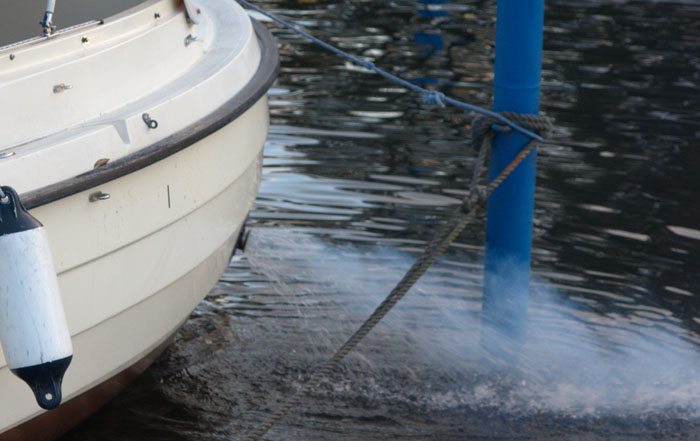
Conventional diesel: After a drive, a short full-throttle burst produces a noticeable cloud of exhaust.
With C.A.R.E. Diesel the smoke cloud is significantly weaker.
No Diesel Pest with C.A.R.E. Diesel
In boats, motorhomes, classic cars and emergency power generators with long idle periods and low fuel consumption, the risk of diesel pest is significantly lower when C.A.R.E. Diesel is used. Microorganisms can hardly settle in this fuel. In addition, water separates better from the fuel than with the conventional FAME blend, in which movement can create a fine water-in-oil emulsion.Critically considered are the raw material sourcing and compatibility with very old diesel engines, particularly their seals.
Renewable Raw Materials – Criticism and Perspective
A diesel fuel made from renewable raw materials can only succeed if these can be produced in sufficient quantities and sustainably. Crude oil sets a high benchmark here, as it was formed from biomass over millions of years. The use of animal waste from slaughterhouses, fisheries and restaurants is possible, but requires considerable logistical effort.There is also the question of whether compostable biomass should be processed on a large scale into fuel that is then burned. Biomass is part of natural cycles – decaying plants return nutrients to the soil.
Monocultures Destroy Habitats
To cover the entire fuel demand with renewable raw materials, extremely efficient production methods would be required. The cultivation of oil-bearing plants in large-scale monocultures is heavily criticized, especially the clearing of rainforests for palm oil plantations. The loss of habitat for many animal and plant species – symbolized by the orangutan – significantly reduces the acceptance of biofuels.
Algae are seen as a major hope. They can be grown in closed tanks, multiply very rapidly, require far less land and can even utilize CO₂ from industrial exhaust gases.
Algae as Raw Material
The industry has high expectations for modern algae cultivation in tanks. In the process, CO₂ is bound and waste heat from industrial plants can be used to heat the tanks. Pilot projects, including in Brazil, have already shown that environmentally friendly production of large quantities of algae is possible.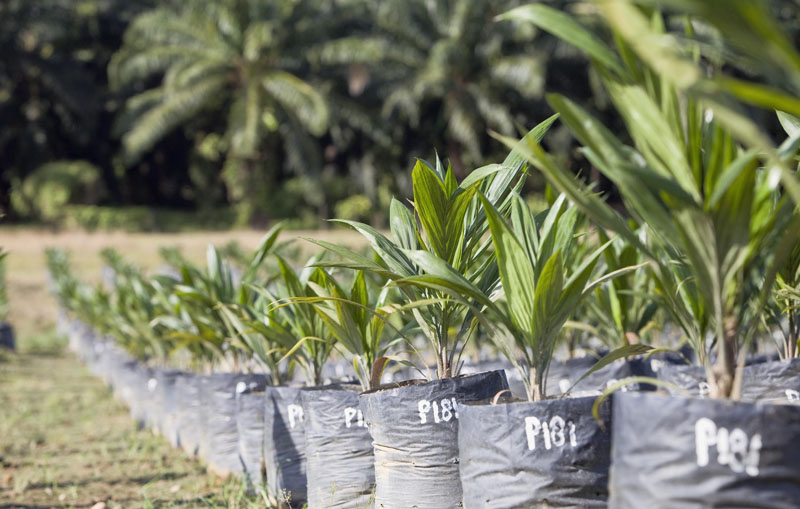
Palm trees in a plantation.
Photo: Neste Oil
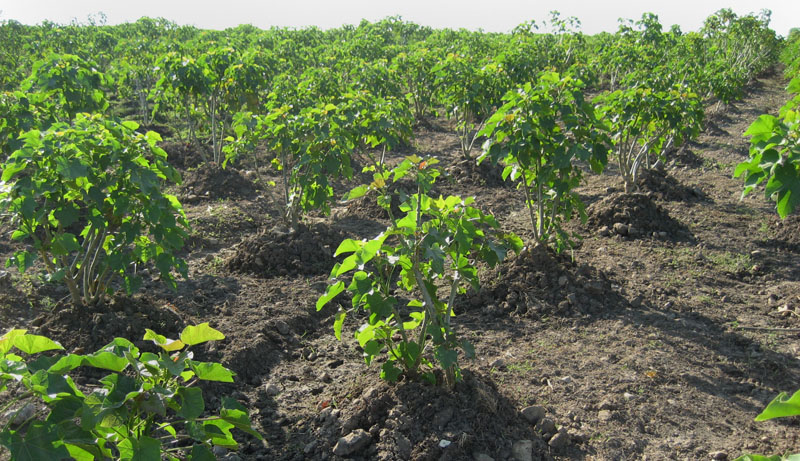
Jatropha plantation. Jatropha belongs to the spurge family.
Photo: Neste Oil
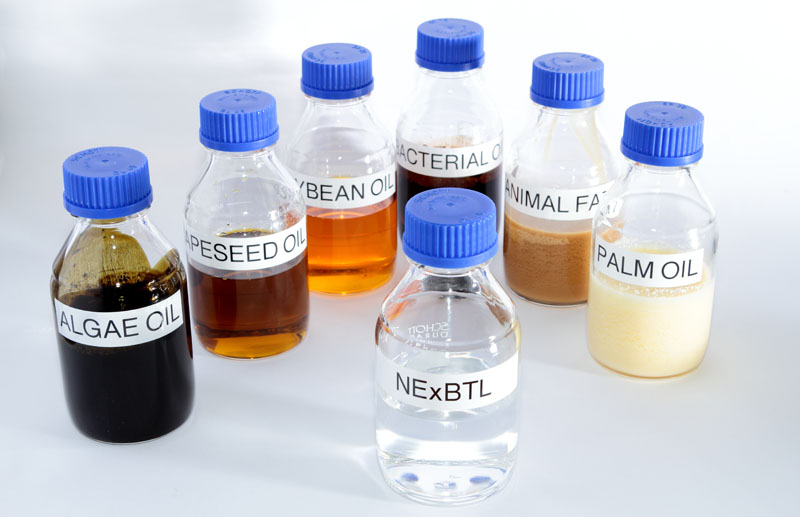
Raw materials for the production of C.A.R.E. Diesel: algae, beans, bacteria, animal fats, palm oil and other oil- and fat-containing renewable raw materials.
Photo: Neste Oil
Environmental organizations closely monitor the production of renewable raw materials. The use of chemicals and the clearing of rainforests for monocultures are particularly criticized. For this reason, the industry is increasingly focusing on algae production in closed systems.

2019 / Source: Website of Tool-Fuel
Criticism of palm oil had an effect. Neste Oil announced in 2018 that the palm oil share in the raw material mix had fallen to 20 %. Tool-Fuel stated in an October 2019 press release that C.A.R.E. Diesel has been produced without palm oil since January 2019. Instead, mainly used cooking fats and occasionally waste sludges from palm oil production are used.
Compatibility with Engines
Since C.A.R.E. Diesel does not fully correspond to conventional diesel, the question of compatibility with diesel engines arises – especially regarding the durability of seals. In 2015, Volvo Penta, a leading manufacturer of marine diesel engines, granted approval for C.A.R.E. Diesel. Various car manufacturers had already approved it earlier.Where to Refuel?
Despite its advantages, C.A.R.E. Diesel is not available at public filling stations in Germany. The legally required blend of FAME and fossil diesel remains the standard.In 2015, several marinas along the North Sea and Baltic Sea coasts were won as partners and now offer C.A.R.E. Diesel for pleasure boats. At Marina Lanke (Berlin), the fuel has been available since 2016. Otherwise, C.A.R.E. Diesel is mainly used for closed vehicle fleets, airports, fire departments and some public transport companies as well as passenger ship operators.